

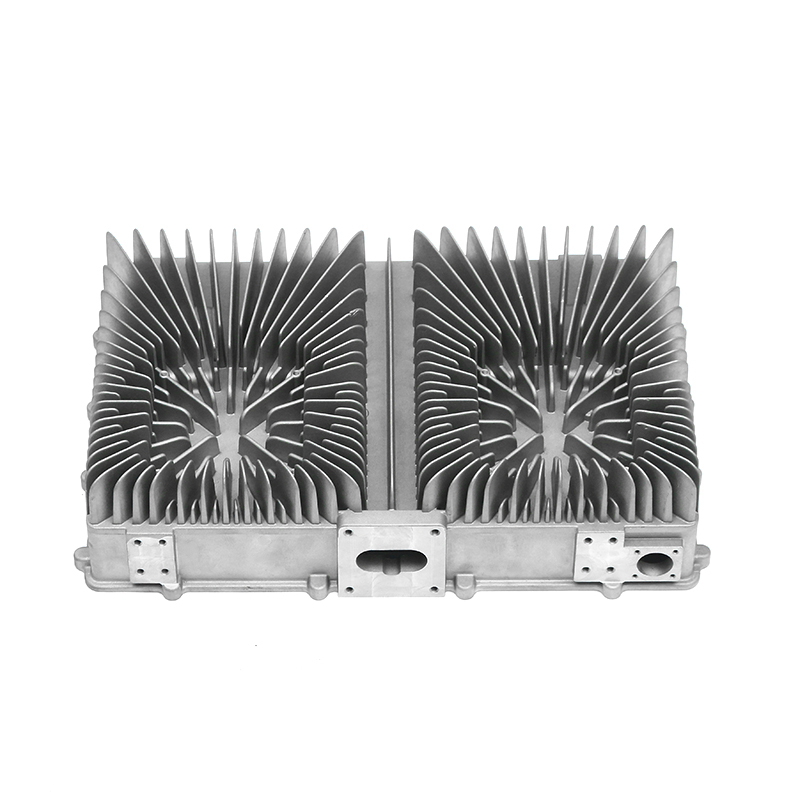
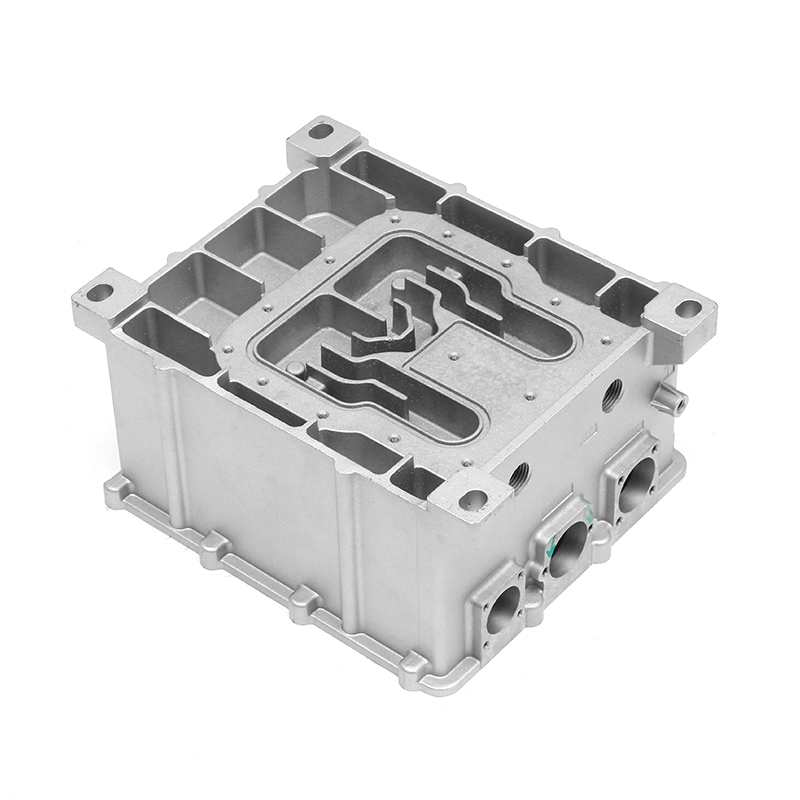
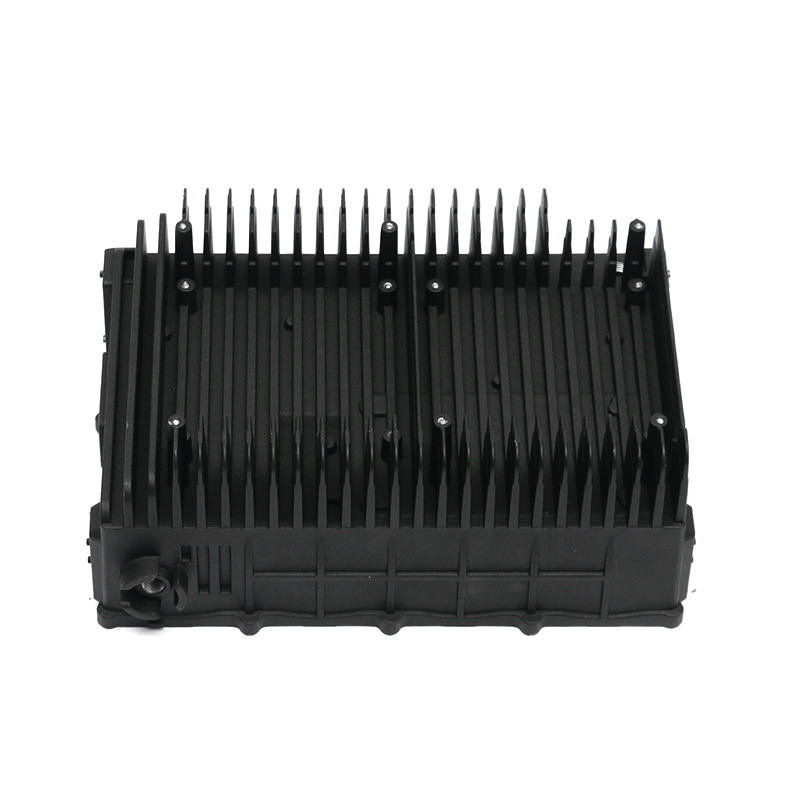
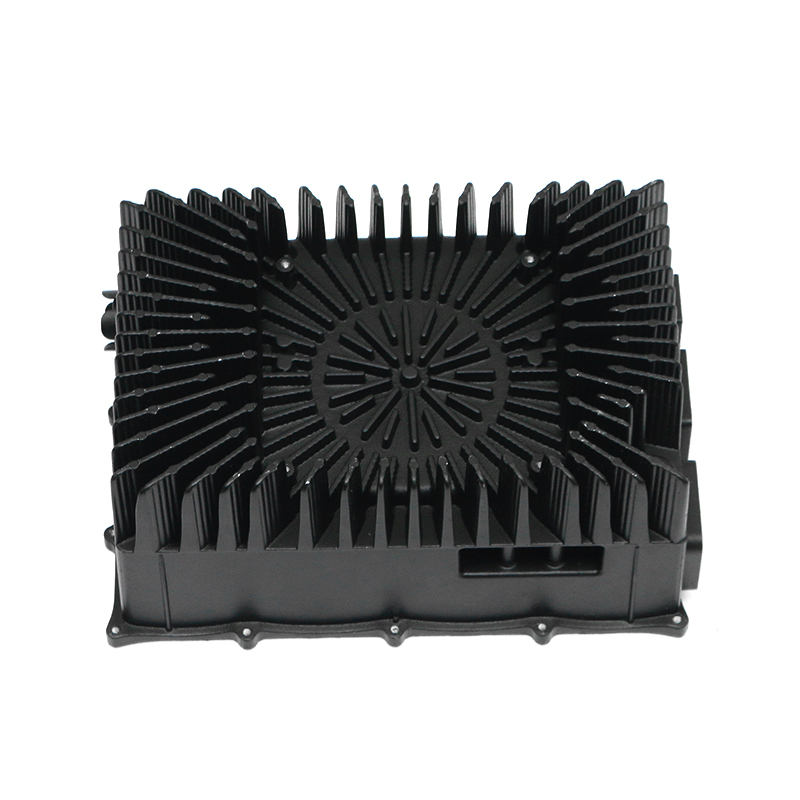
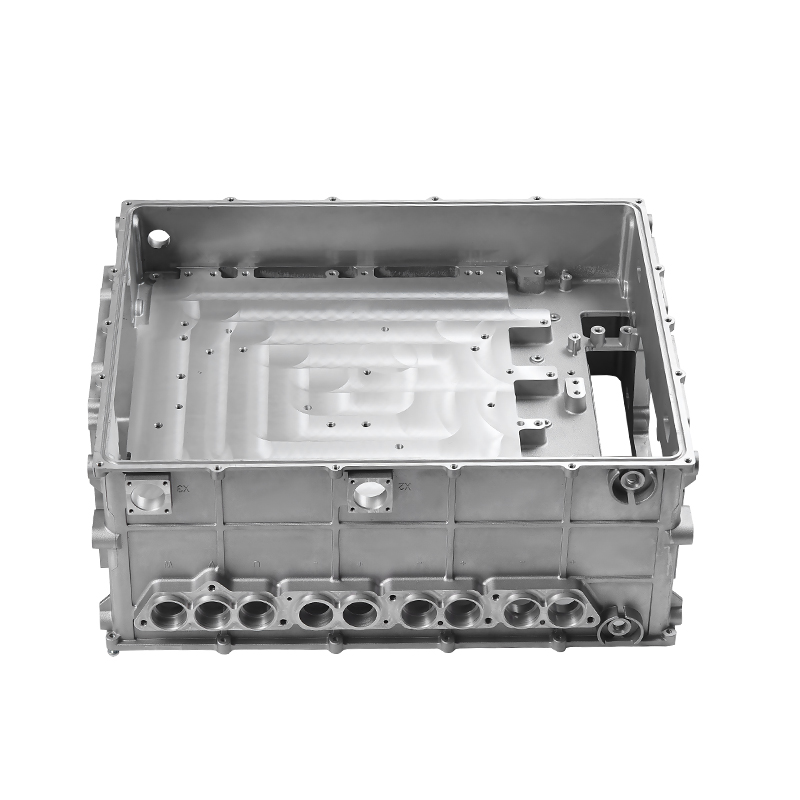
Den girkassehus spiller en viktig støttende og beskyttende rolle i hele girkassesystemet, og dets design påvirker direkte girkassens stivhet og slagmotstand. Rimelig struktur og materialvalg kan sikre at huset forblir stabilt når det utsettes for ytre støt og intern belastning, og dermed forbedre den totale ytelsen og levetiden til girkassen.
Et hus med høy stivhet kan redusere deformasjonen av girkassen forårsaket av vibrasjoner og belastningsendringer under drift, og dermed forbedre stabiliteten til kraftoverføringen. Når girkassen går, vil det innvendige girets inngrep generere en stor kraft, som krever tilstrekkelig støtte fra huset, ellers kan det føre til at de indre delene av girkassen blir feiljustert eller unormalt slitt. Derfor må den strukturelle utformingen av huset fordele støttepunktene rimelig slik at den jevnt tåler krefter fra forskjellige retninger, unngår lokal spenningskonsentrasjon og sikrer at girkassen kan holde seg stabil under ulike arbeidsforhold.
Den impact resistance of the housing is also crucial, especially in complex use environments, where the gearbox may be subjected to severe external impacts, such as bumps on the road, sudden changes in load or other external forces. If the housing is not impact-resistant enough, it may be deformed due to external impacts, and even affect the normal operation of internal parts. Therefore, in the design of the shell, materials with a certain toughness are usually used so that they can effectively absorb energy when impacted instead of directly transferring it to the internal structure. In addition, a reasonable structural layout, such as reinforcing ribs or multi-layer support structures, can further enhance the shell's impact resistance, so that it can still maintain normal operation in sudden situations.
Den choice of materials has an important impact on the rigidity and impact resistance of the shell. Usually, the shell is made of high-strength metal materials, so that it has good impact resistance while providing sufficient support. Different processing methods will also affect the final performance of the shell. For example, the casting process can improve the density of the material, thereby improving its strength and durability, while some special surface treatment technologies can enhance the shell's wear and corrosion resistance, so that it can maintain stable performance in different environments.
Den internal structure design of the shell also needs to take into account the needs of rigidity and impact resistance. Reasonable internal reinforcement structure can effectively disperse the load, so that the shell is not easy to deform when subjected to external force. At the same time, certain support points are usually designed inside the shell so that it can fit more closely with the internal parts, thereby reducing loosening caused by impact or vibration. In addition, some housings are thickened in certain areas to enhance local bearing capacity, thereby improving the stability of the overall structure.
Den design of the installation method and connection parts are also important factors affecting rigidity and impact resistance. A reasonable installation structure can ensure that the housing is tightly combined with other components to avoid affecting the normal operation of the gearbox due to looseness. At the same time, the fixing method of the housing needs to take into account the load changes in different environments to ensure that it will not be deformed or damaged due to stress accumulation during long-term use. In addition, some special connection methods, such as multi-point fixing or strengthening connectors, can also further enhance the stability and impact resistance of the housing.

Anbefalte produkter
Produkter levert av kjente bedrifter er dypt tillitsfulle av brukere.

HURTIGE LENKER
PRODUKTER
KONTAKTINFORMASJON.
- +86-18657487998
+86-17706881251 - +86-574-86886999
- [email protected]
- Nr. 19, Laoshan Road, Beilun-distriktet, Ningbo City, Zhejiang-provinsen, Kina

Opphavsrett © 2024 Ningbo Fenda New Energy Technology Co., Ltd. Alle rettigheter reservert.
